
Chemical Ice Melt Residue and Paw Chemical Burns
Winter in Fort Wayne often lingers longer than we’d like. Even as temperatures begin to warm and the Indiana winter melt begins, the residue from ice melt products remains on sidewalks, parking lots, and driveways well into late winter and early spring. While these de-icing agents help keep people safe, they can pose hidden risks for pets, particularly when it comes to paws.
The Fort Wayne sidewalk salt pets encounter can contribute to paw chemical burns in pets. So in this blog, our team shares simple, proactive steps for protecting your pets during winter walks and early spring outings.
Why Ice Melt Can Be Harmful to Pets
Most ice melt products contain chemical salts designed to lower the freezing point of water. When pets walk across treated surfaces, these substances can stick to their paw pads and fur. Over time, exposure can lead to paw chemical burns in pets, causing irritation, cracking, and inflammation.
The risk doesn’t stop at the paws. Pets often lick their feet after walks, which can lead to ice melt toxicity in pets if chemicals are ingested. Even small amounts may irritate the mouth, stomach, or digestive tract.
Signs Your Pet May Be Affected
Symptoms of exposure can range from mild to more uncomfortable, depending on the type of ice melt and length of contact. Watch for:
- Redness or swelling between paw pads
- Excessive licking or chewing at the feet
- Limping or reluctance to walk
- Cracked or bleeding paw pads
- Drooling, vomiting, or mouth irritation
If you notice these signs after a walk, it’s a good idea to rinse your pet’s paws and monitor their comfort level.
Late Winter and Early Spring Risks
Many pet owners are surprised to learn that the risk of ice melt toxicity in pets doesn’t disappear with the spring thaw. Residue can remain on surfaces for weeks. As the Indiana winter melt continues, salts can become more concentrated in puddles—tempting curious pets to wade in or take a drink.
March Vet Safety: Simple Steps That Make a Big Difference
Fortunately, preventing ice melt injuries is straightforward:
- Wipe or rinse paws with warm water after every walk.
- Dry paws thoroughly, particularly between the toes.
- Use pet-safe paw balms to protect against dryness and cracking.
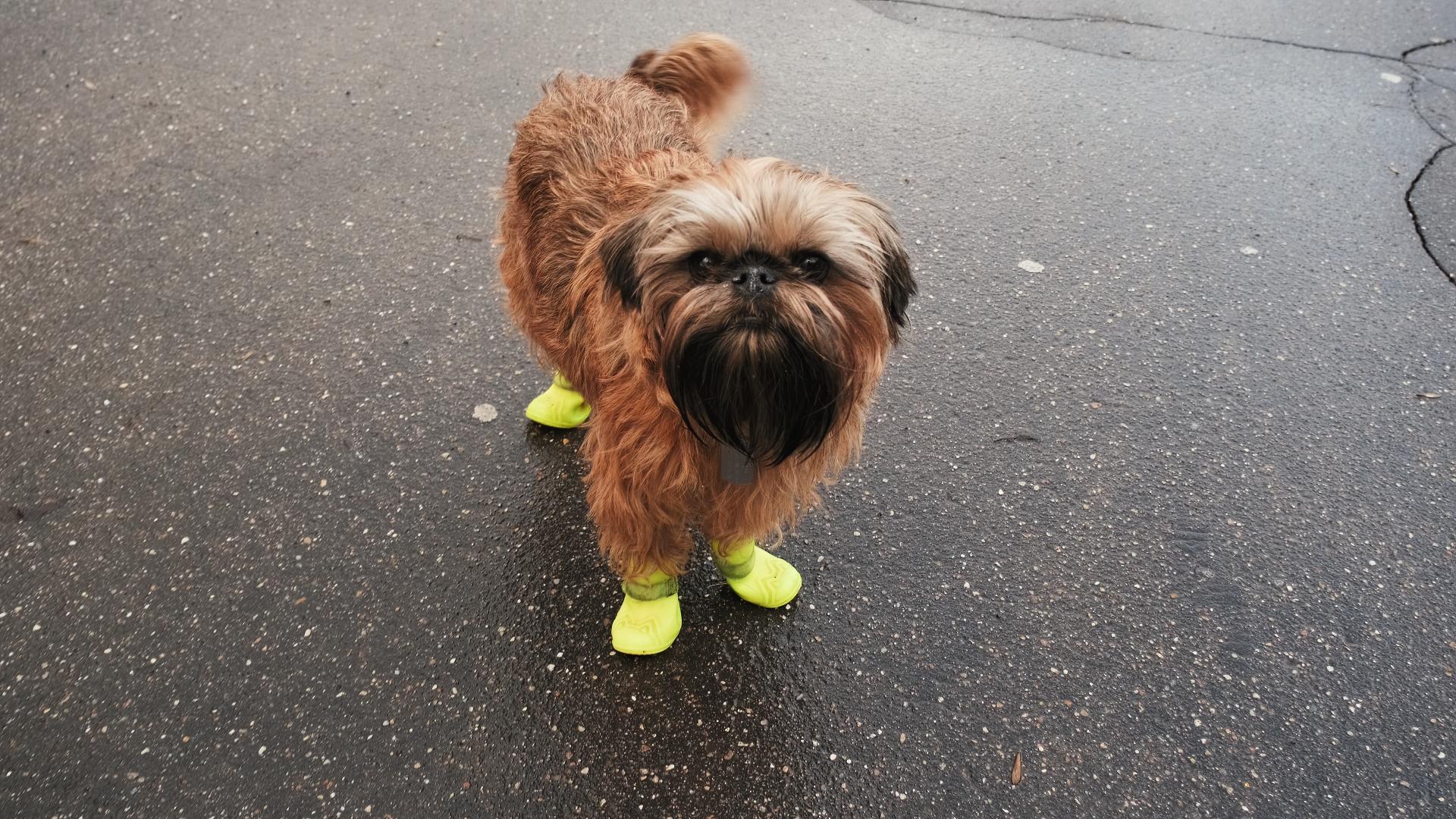
- Consider protective pet booties.
- Stick to cleared paths and avoid heavily treated areas.
- Choose pet-safe ice melt products for your own sidewalk and driveway.
When to Call Your Veterinarian
If paw irritation doesn’t improve within a day or worsens, or if your pet shows signs of ingestion, it’s time to contact us at (260) 637-7676. Early treatment can keep minor irritations from turning into more painful injuries.
At Dupont Veterinary Clinic, we believe prevention is the best medicine. With a little awareness and routine paw care, your pet can stay comfortable, confident, and safe—no matter what winter (or its leftovers) leave behind.