
Why Some Pets Develop Bad Breath Suddenly
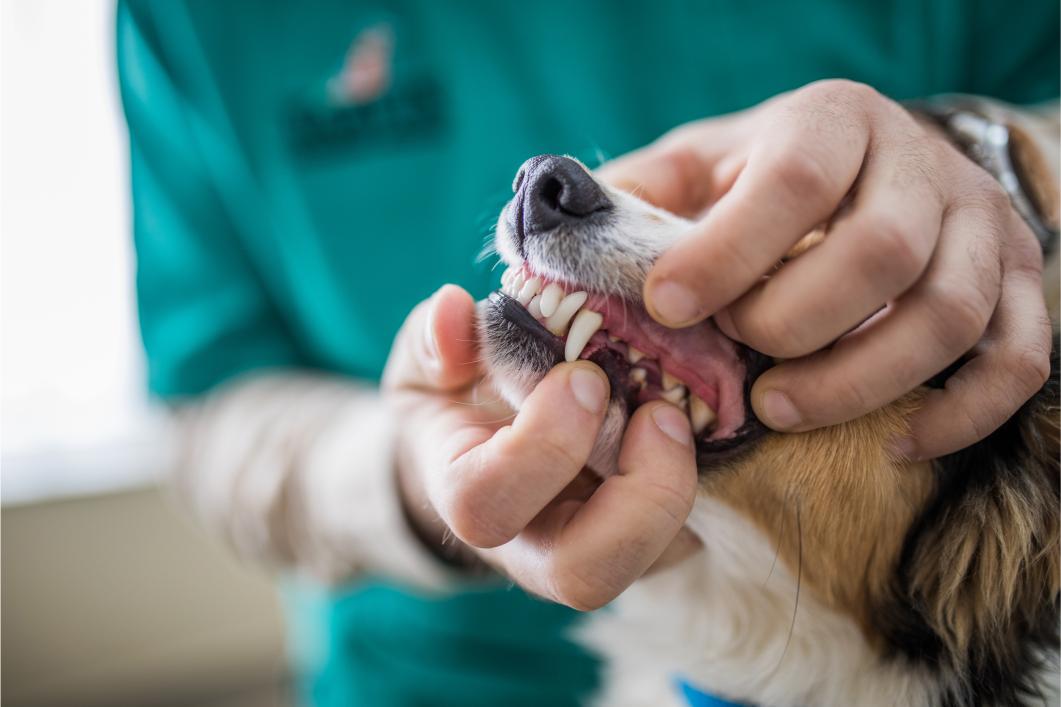
A little “pet breath” might not seem unusual, especially after your dog sneaks a questionable backyard snack or your cat enjoys a tuna-based dinner. But when your pet’s breath suddenly becomes much stronger or develops a foul, sour, metallic, or rotten smell, it may be time to pay closer attention. In many cases, changes in breath odor can be an important health sign in pets, especially when they happen quickly instead of gradually over time.
At Dupont Veterinary Clinic in Fort Wayne, IN, our veterinarians and staff help pet owners identify the underlying causes of sudden bad breath and determine whether treatment is needed.
Sudden Bad Breath in Dogs: Causes Your Vet May Investigate
There are several sudden bad breath dog causes, and some are much more serious than simple “doggy breath.” In many cases, the odor originates in the mouth due to dental disease, infection, or injury.
Some of the most common causes veterinarians diagnose include:
- Periodontal disease and tartar buildup
- Infected or broken teeth
- Food or debris trapped between teeth
- Mouth injuries or oral ulcers
- Foreign objects stuck in the mouth
- Dietary indiscretions or scavenging habits
Dental disease is one of the leading dog mouth odor causes because bacteria collect beneath the gumline and around damaged teeth. As bacteria multiply, they create a strong odor that often worsens quickly. Some pets may also paw at their mouths, drool more than usual, struggle to chew, or suddenly lose interest in hard food.
Even pets that seem comfortable can still have painful oral conditions. Dogs and cats are very good at hiding discomfort, which is why sudden changes in breath odor shouldn’t be ignored.
Halitosis in Pets With Sudden Onset May Point to More Than Dental Problems
Halitosis in pets with sudden onset isn’t always caused by dental disease alone. In some cases, an unusual breath odor may indicate an internal medical condition that requires prompt veterinary care.
Because pets can’t tell you when something feels “off,” subtle changes may provide important clues. Bad breath that appears suddenly, especially when accompanied by vomiting, appetite changes, lethargy, increased thirst, or weight loss, warrants medical attention sooner rather than later.
Fortunately, a veterinary exam can often help narrow down the cause quickly and determine whether the issue is oral, digestive, or systemic.
Oral vs. Internal Disease in Pets: What Different Odors May Mean
Understanding whether a pet’s bad breath is due to oral or internal disease can help pet owners recognize when it may signal something more serious. While no diagnosis should be made based on odor alone, certain smells can sometimes point veterinarians in the right direction.
Here are a few examples:
- Rotten or decaying odor: Dental infection or severe periodontal disease
- Metallic smell: Oral bleeding, infection, or tissue injury
- Sweet or fruity smell: Possible diabetes
- Ammonia-like smell: Potential kidney disease
- Sour or digestive odor: Gastrointestinal upset or reflux
Not every case of bad breath means there’s an emergency, but sudden changes are worth investigating. Because mouth odor can have causes ranging from relatively minor dental buildup to serious internal illness, early evaluation is always the safest approach.
If your pet’s breath suddenly smells noticeably worse, don’t assume it will resolve on its own. The team at Dupont Veterinary Clinic can help identify the cause and recommend the most appropriate treatment to keep your pet healthy and comfortable. To schedule an appointment, call us at (260) 637-7676.