
When a Dental Problem Shows Up Somewhere You Wouldn’t Expect
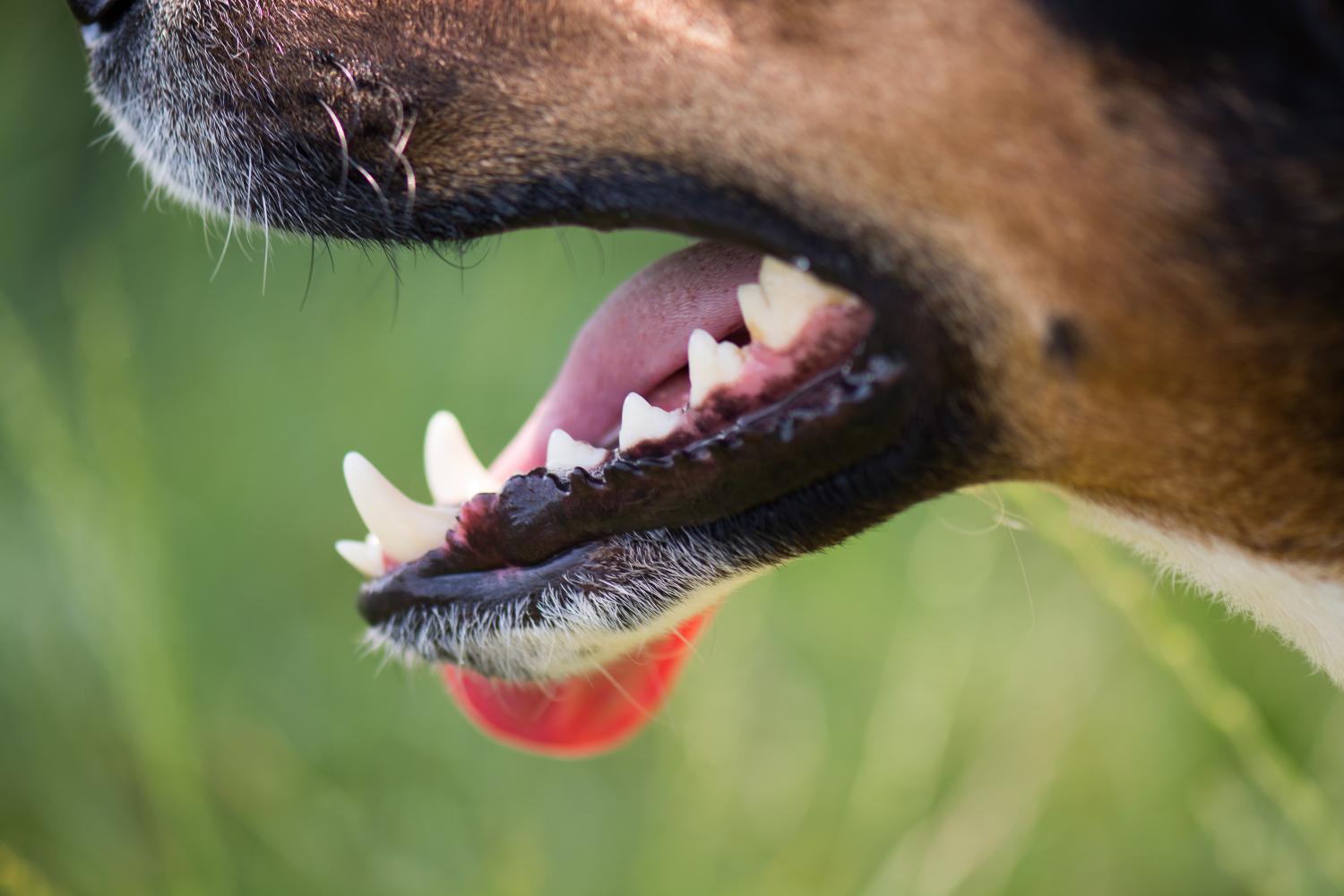
When you think about your dog’s dental health, you probably picture bad breath, tartar buildup, or maybe a reluctance to chew. But dental disease doesn’t always stay confined to the mouth. In some cases, the signs show up in places that seem completely unrelated—making it easy to miss what’s really going on.
At Dupont Veterinary Clinic in Fort Wayne, Indiana, we often see dogs with symptoms that don’t immediately point to a dental issue. Knowing what to look for can help you catch a problem earlier and get your pet the care they need before it becomes more serious.
When Dental Disease Symptoms Show Up—but Not in the Mouth—in Dogs
Dental disease doesn’t always announce itself with classic signs like bad breath or chewing discomfort. Sometimes, it shows up in ways that feel completely unrelated, catching pet owners off guard.
You might see symptoms that seem unrelated, such as:
- Swelling beneath the eye
- Puffiness along the cheek or jaw
- Nasal discharge
- Changes in appetite or chewing habits
- Subtle shifts in behavior, like irritability or withdrawal
These signs can be confusing because they don’t immediately point to a dental problem. But in many cases, the root cause literally lies beneath the surface. Infections affecting the teeth can spread into surrounding tissues, causing symptoms that appear elsewhere on the face.
Facial Swelling in a Dog: Could the Causes Be Dental Related?
Facial swelling is one of the most common ways dental disease makes itself known outside the mouth. While swelling can have several causes—such as insect stings, trauma, or allergic reactions—dental infections are an important possibility to consider.
Here’s why: the roots of your dog’s teeth extend deep into the jaw. When bacteria enter the tooth and cause an infection, the infection can spread beyond the tooth into nearby tissues.
This may lead to:
- Swelling along one side of the face
- Tenderness when touched
- A firm or soft lump near the jawline
- Discomfort when eating
Because this type of swelling can develop gradually or appear suddenly, it’s easy to mistake it for something minor. However, if the swelling is linked to a dental issue, it won’t resolve on its own, and delaying care can allow the infection to worsen.
Dog Tooth Infection and Eye Swelling: What’s the Connection?
One of the more surprising signs of dental disease is swelling just below the eye. This is most often associated with infections in the upper teeth, particularly the large premolars.
The roots of these teeth sit close to the structures beneath the eye. When an infection develops at the root, it can create pressure and inflammation in that area, leading to noticeable swelling.
You might observe:
- Puffiness or a bulge under one eye
- Redness or irritation in the surrounding tissue
- Discharge from the eye or a nearby draining tract
- Sudden onset of swelling without an obvious injury
Because this symptom appears so far from the mouth, many pet owners initially assume it’s an eye problem. In reality, the issue often originates deeper within the tooth, requiring dental treatment rather than eye medication.
Hidden Dental Abscess in Dogs: What Are the Signs?
In some cases, a dog may develop a hidden dental abscess: an infection that forms at the root of a tooth without obvious external swelling, at least initially.
These abscesses can be especially tricky because the signs are subtle. You may notice small changes over time, such as:
- Eating more slowly or favoring one side of the mouth
- Dropping food while chewing
- Bad breath that seems stronger than usual
- Reluctance to play with chew toys
- Mild lethargy or decreased interest in normal activities
As the abscess progresses, more visible signs, such as swelling or drainage, may appear. But catching these early behavioral cues can make a significant difference in how quickly your dog receives treatment.
When Dental Disease Becomes an Emergency for Your Dog
While some dental issues develop gradually, others can escalate quickly and require urgent care. It’s important to recognize when a situation has moved beyond routine dental disease and needs immediate attention.
Signs that indicate a potential emergency include:
- Rapid or severe facial swelling
- Swelling that affects the eye or interferes with vision
- Significant pain, especially if your dog won’t eat
- Lethargy, fever, or signs of systemic illness
- A draining wound or visible infection on the face
Dental infections can spread to surrounding tissues and, in serious cases, enter the bloodstream. Prompt treatment helps protect not only your dog’s oral health but their overall well-being.
Don’t Ignore the Unexpected
If you notice facial swelling, changes in behavior, or anything that just doesn’t seem quite right, it’s worth having your dog evaluated. The veterinarians and staff at Dupont Veterinary Clinic are here to help identify the cause and recommend the right treatment to keep your pet comfortable and healthy.
If you have concerns about your dog’s dental health, contact Dupont Veterinary Clinic today at (260) 637-7676 to schedule an exam.