
What Your Pet’s Sleeping Position May Be Telling You
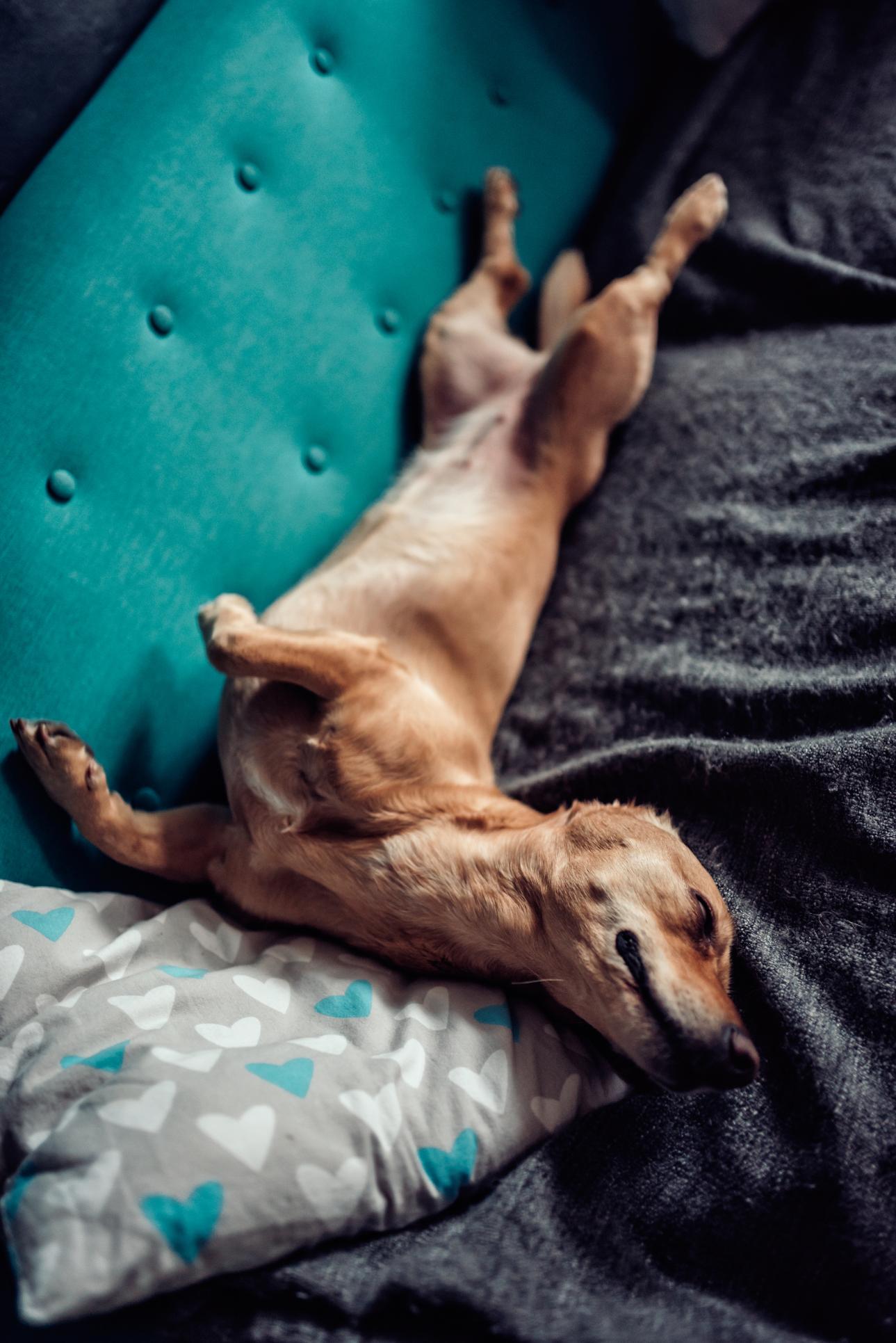
Pets have a remarkable talent for falling asleep in positions that don’t look remotely comfortable. While many pet sleeping positions simply reflect comfort, temperature, or personality, a sudden change may offer an early clue that something isn’t right. At Dupont Veterinary Clinic in Fort Wayne, Indiana, we encourage pet owners to notice what’s normal for their companions and pay attention when that pattern changes.
Curled Up in a Ball
Dogs and cats often curl into a tight ball with their noses near their tails. This position helps conserve body heat and protects the abdomen, so you may see it more frequently during colder weather. Some pets also find the tucked-in posture comforting when they want to feel secure.
Curling up isn’t typically concerning on its own. However, if your pet suddenly remains tightly hunched while awake, avoids stretching out, or seems tense when touched, discomfort could be the reason.
Stretched Out on the Side
A pet sleeping on their side usually feels safe and relaxed. This position leaves the abdomen exposed and allows the muscles to loosen fully. You might also notice twitching paws, softly moving whiskers, or tiny noises during deep sleep—maybe signs of an exciting dream involving an elusive squirrel or an unattended dinner plate.
For older animals, however, getting into or rising from this position may become difficult. Changes associated with senior pet behavior can include stiffness, hesitation, restlessness, or repeatedly repositioning before settling down.
Belly Down and Ready To Go
Some pets sleep on their stomachs with their legs tucked beneath them. Others adopt the classic “sploot,” stretching one or both back legs behind the body. These postures may allow a pet to rest without becoming too warm or make it easier to spring into action when something interesting happens.
A preferred sleeping position doesn’t necessarily indicate a joint problem. Still, reluctance to lie on one side, difficulty lowering the body, or favoring a particular limb can be signs of pain in pets and deserves veterinary attention.
On the Back With Paws in the Air
A pet sprawled belly-up is often comfortable, confident, and possibly trying to cool down. Because dogs and cats have less fur on their bellies, exposing this area can help release body heat.
Not every belly-up pet is requesting a tummy rub, especially when it comes to cats. Consider the position a sign of trust, but let your pet’s usual preferences guide your response.
When Restless Sleep May Signal a Problem
Position matters less than a noticeable departure from your pet’s normal routine. Watch for changes that occur along with other physical or behavioral concerns, including:
- Repeatedly getting up and lying back down
- Circling or struggling to become comfortable
- Whimpering, panting, or trembling while resting
- Sleeping significantly more or less than usual
- Avoiding stairs, furniture, or favorite sleeping places
- Stiffness, limping, or difficulty standing
These changes can have many possible causes, from anxiety and an uncomfortable room temperature to arthritis, injury, or illness. Our veterinarians and staff can evaluate the full picture rather than relying on one sleeping habit alone.
Pay Close Attention to Breathing
Sleep also gives you a quiet opportunity to observe your pet’s breathing. Possible pet breathing problems include labored or unusually rapid breaths, wheezing, persistent coughing, open-mouth breathing in a cat, or extending the head and neck to breathe.
Difficulty breathing can be an emergency. Seek immediate veterinary care if your pet is struggling for air, has pale or bluish gums, appears weak, or collapses.
Let Your Fort Wayne Veterinarian Investigate Changes
You know your pet’s routines better than anyone. A photo or short video of an unusual sleeping posture, breathing pattern, or difficulty getting comfortable can provide helpful information during an exam.
If your pet’s sleeping habits have changed or you’ve noticed other concerning symptoms, book an appointment with Dupont Veterinary Clinic. Call (260) 637-7676 so we can help your companion rest comfortably again.