
Coyotes, Wildlife, and Backyard Pets: Fall Safety Tips for Indiana Families
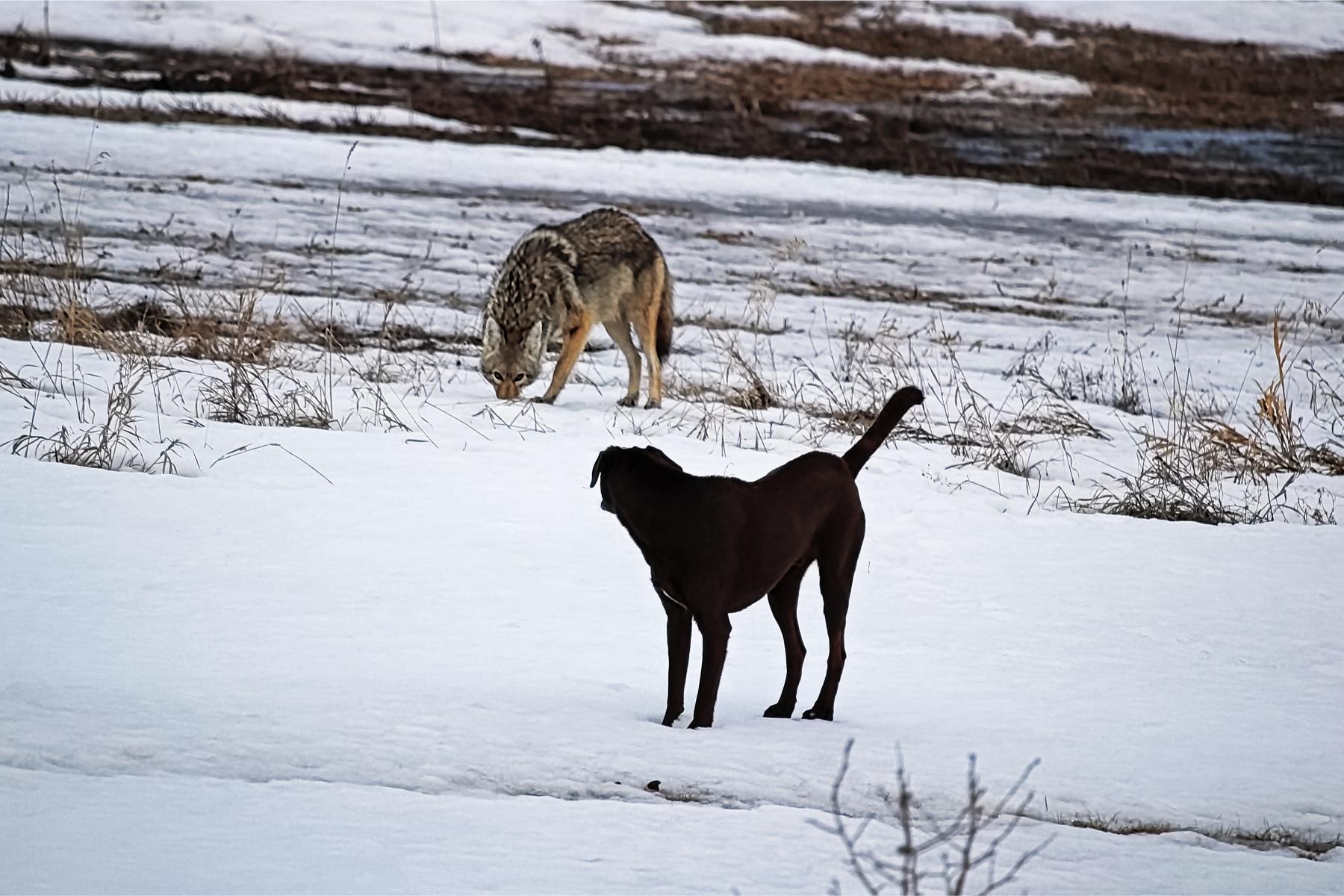
Autumn is a wonderful time to experience Indiana’s crisp mornings, colorful landscapes, and cooler temperatures with your pets. And whether your dog loves exploring the backyard or joining the family on hikes, it’s important to remember that we aren’t the only ones enjoying the changing seasons.
As coyotes and other wildlife search for food, establish territories, and prepare for winter, outdoor pet safety must stay top of mind. In this blog, our team at Dupont Veterinary Clinic, your trusted Fort Wayne veterinarian, shares a few simple precautions as the fall season gets underway.
Why Wildlife Activity Increases During the Fall
As natural food sources begin to change, many wild animals become more visible. Coyotes, deer, raccoons, foxes, opossums, and other wildlife may travel through neighborhoods, parks, and wooded areas more frequently than they do during other months.
Most wild animals prefer to avoid people and pets. Problems are more likely to occur when pets unknowingly approach wildlife or when food sources attract wild animals to residential areas.
Curious Pets Can Get into Trouble
Dogs are naturally curious. A strange scent drifting across the yard or movement near the fence can quickly capture their attention. This curiosity sometimes leads to close encounters. Practicing backyard pet safety means mitigating these risks before they become emergencies.
Common wildlife risks include:
- Bite wounds
- Scratches
- Sprains from chasing wildlife
- Exposure to parasites
- Contact with diseases carried by wild animals
- Escaping through damaged fences while in pursuit
Coyote Safety with Pets
Coyotes are generally cautious around people, but they may be drawn into neighborhoods by easy access to food, water, or shelter.
Tips for coyote safety with pets:
- Supervise pets whenever they’re outdoors.
- Keep dogs leashed during walks.
- Avoid letting pets roam after dark or at dawn, when coyotes are more active.
- Secure garbage cans and compost bins.
- Remove outdoor pet food and water bowls after meals.
- Check fencing regularly for damage.
- Trim overgrown vegetation where wildlife may hide.
When Should You Call Your Veterinarian?
If your pet has had any physical contact with wildlife, it’s important to schedule an examination, even if injuries seem minor. Bite wounds and scratches can hide beneath thick fur and may become infected if left untreated.
Seek prompt veterinary care if your pet has:
- Bite or puncture wounds
- Heavy bleeding
- Swelling
- Difficulty walking
- Trouble breathing
- Eye injuries
- Sudden weakness or collapse
Enjoy Fall with Confidence
Wildlife is an important part of Indiana’s natural landscape, and with a few thoughtful precautions, pets and wild neighbors can usually coexist safely.
Our team is committed to supporting Indiana pet care through education, preventive medicine, and compassionate treatment. Whether you have questions about wildlife encounters with dogs, need guidance on backyard pet safety, or are looking for a trusted Fort Wayne veterinarian, we’re here to help. Contact us today at (260) 637-7676.